Show your heart some love this February
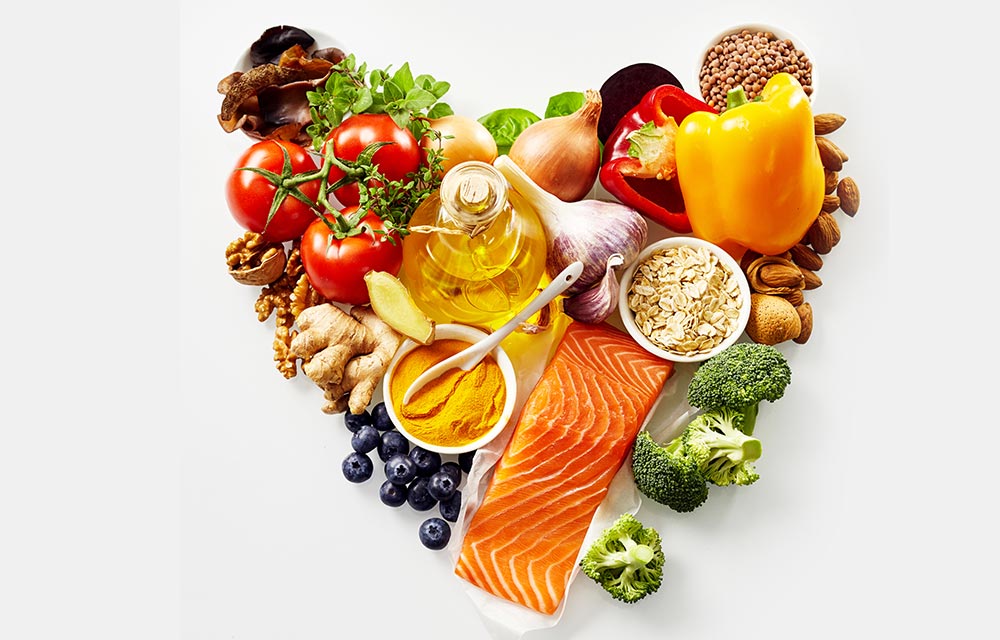
Show your heart some love this February
February is all about the heart, and not just because of Valentine’s Day. It’s also American Heart Month, celebrated every February since 1964. American Heart Month was created to raise awareness about heart disease and advocate for heart health. It also serves as a reminder that many cases of heart disease can be prevented by adopting more heart-healthy practices.
Supporting your heart can be as simple as making a few small, everyday changes to what you eat. You probably already know some of the things to go easy on: added sugars, processed foods, saturated fats, and salt, for example. But let’s flip the script and explore what you can incorporate into your diet too!
Smart proteins
Protein supports muscle repair and growth and can lower the risks of cardiovascular disease. The trick is making sure you limit processed or high-fat cuts of meat.
One easy idea is to grab a rotisserie chicken at the grocery store. Not only does it make dinner a snap, but leftover chicken is a great addition to salads, omelets, and wraps. I personally always have a few cans of tuna in water on hand. It’s good in salad and sandwiches, of course, but it’s surprisingly delicious in pasta or even as a bagel topping.
There are plenty of great plant-based proteins as well. You can make a quick stir-fry by heating up firm or extra-firm tofu with frozen mixed veg and low-sodium soy sauce. Or top a baked sweet potato with black beans, salsa, and some avocado slices. Yum!
Fiber
Fiber-rich foods play a significant role in promoting heart health. The soluble fiber found in foods like oats, beans, and fruit helps lower LDL cholesterol, the “bad” cholesterol that leaves fatty deposits in your arteries and leads to an increased risk of heart attack or stroke. A fiber-rich diet also helps regulate blood pressure, control blood sugar levels, and promote a healthy gut.
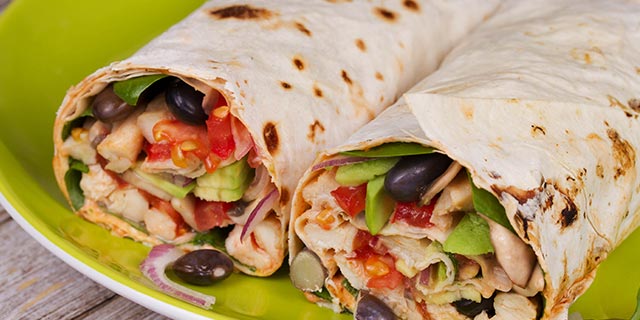
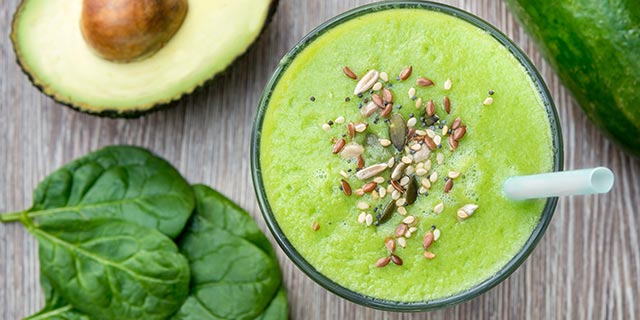
And I promise, adding fiber to your diet can be easy! One way is to consume plenty of colorful fruits and veggies. How about a fiber-ific smoothie for breakfast? Just throw a handful of spinach and a carrot or two into a blender with a banana and some frozen berries. For lunch and dinner, fill a whole wheat tortilla with warm black beans and a spoonful of pico de gallo, top a salad with chickpeas and avocado, or toss frozen mixed veggies into your favorite soup.
"Healthy" fats
Yes, it’s true! We don’t want to limit all fats. Mono- and polyunsaturated fats are the beneficial fats we should aim to eat more of. These types of fats can help to improve your cholesterol levels, and help keep you feeling fuller longer.
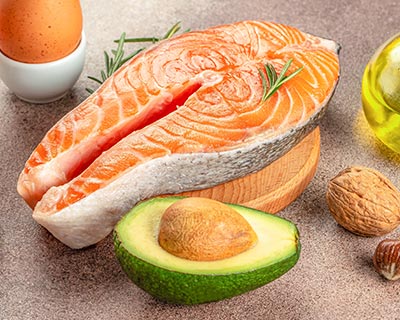
You can check both the healthy-fat and smart-protein boxes by adding fatty fish like salmon, trout, and tuna to your diet. High in Omega-3 fatty acids, they help support heart health by reducing inflammation and lowering triglyceride levels. Try topping a whole-wheat bagel with some smoked salmon, spreading tuna salad on sliced cucumber, or enjoying smoked trout on crackers.
If you’re looking for plant-based options, you can’t go wrong with avocado toast! Spread mashed avocado (rich in oleic acid!) on whole-grain toast and top it with cherry tomatoes, salt and pepper to taste, and a pinch of cayenne for a spicy, heart-friendly kick. Another quick way to add in healthy fat is to use extra virgin olive oil instead of butter. Drizzle a generous amount of oil on whole-grain pasta, and then toss it with sauteed spinach and some garlic.
Follow your heart
Small adjustments can lead to significant benefits. So, this February, spoil your most important Valentine—your heart—by trying out some of these suggestions? Your heart will love you for it.